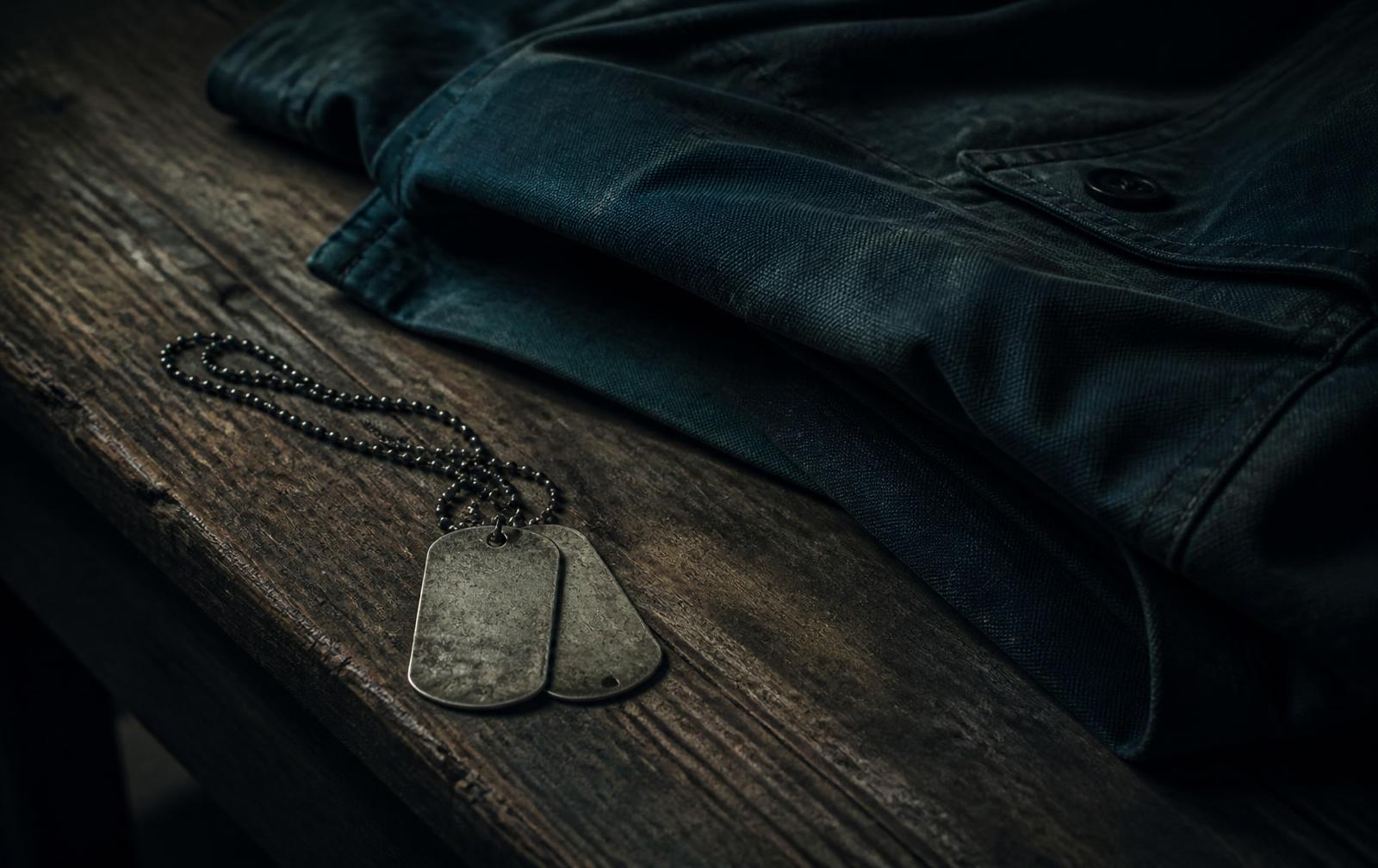
Why care gets delayed
Military culture rewards absorbing discomfort without complaint. That is a genuine strength in the field and a serious liability afterward. The same discipline that keeps someone functional through a deployment keeps them functional through a decade of insomnia, hypervigilance, and emotional flatness — functional, but not well.
There is also a practical fear: that a diagnosis will follow you, affect a clearance, or change how your unit sees you. Those concerns deserve straight answers, not reassurance that dodges the question.
How PTSD actually presents
Flashbacks are the version people expect. In practice, the daily symptoms are quieter and more corrosive.
- Scanning every room for exits and threats without deciding to
- Anger that arrives faster and larger than the situation warrants
- Numbness — the sense of watching your own life from a distance
- Avoiding places, conversations, or people that used to be ordinary
- Sleep that never gets deep, with nightmares that repeat
What treatment looks like
Trauma treatment does not require narrating the worst day of your life on the first visit. We start with stabilization: sleep, safety, and reducing the physiological alarm that keeps the nervous system on watch.
From there, evidence-based therapy does the deeper work, and medication can reduce nightmares, hyperarousal, and co-occurring depression enough to make that work possible. Many veterans also carry chronic pain, traumatic brain injury history, or substance use alongside PTSD — treating one while ignoring the others rarely holds.
You did not fail by making it this long on your own. You just do not have to keep doing it that way. If you are in crisis, call or text 988 and press 1 for the Veterans Crisis Line.
This entry is general education, not medical advice or a substitute for an individual evaluation. If you are in crisis, call or text 988.